
IDC Connectors + IPC Ribbon Cable Assemblies: The Solder-Free, High-Reliability Solution for Multi-Conductor Connections
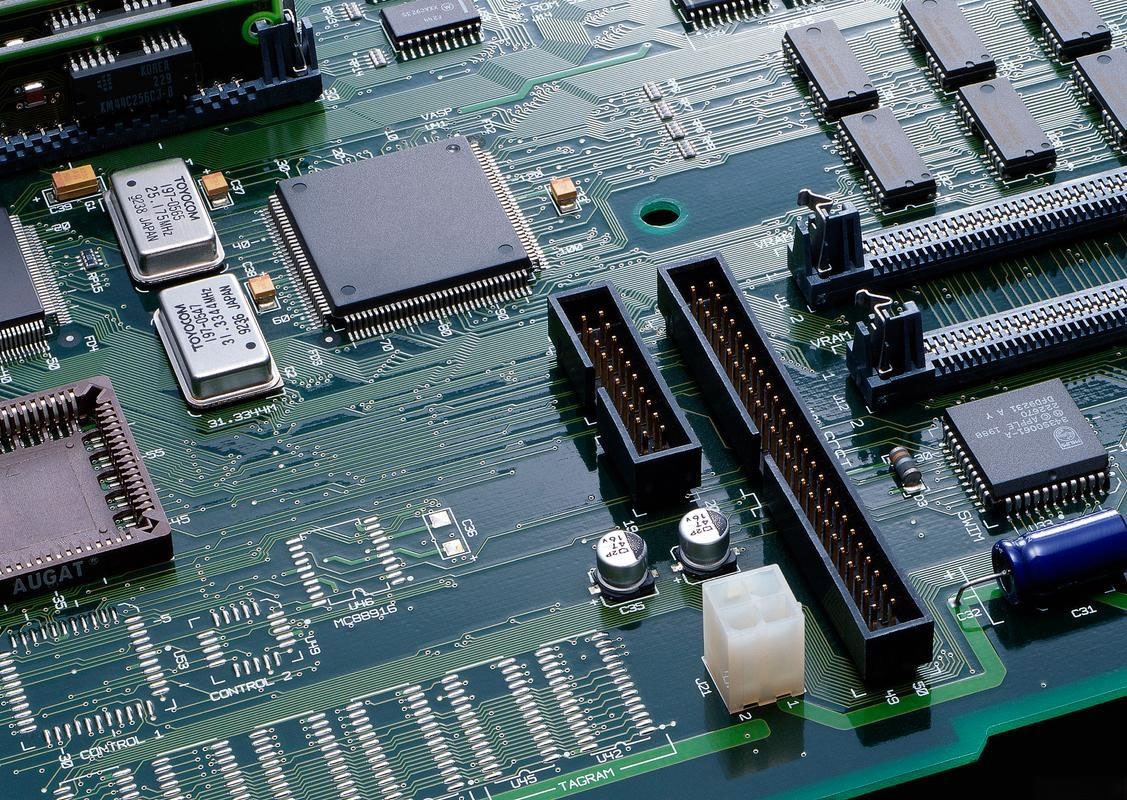
In the modern electronics manufacturing landscape, from complex industrial control cabinets to the internals of precision consumer electronics, achieving fast, reliable, and standards-compliant multi-wire connections has always been a challenge for engineers. Soldering? Slow, error-prone, and inconsistent. Screw terminals? Bulky and time-consuming. Is there a better way? Absolutely! The answer lies in the highly effective pairing of Insulation Displacement Connectors (IDCs) and IPC-compliant Ribbon Cable Assemblies.
Core Pain Points: Efficiency, Reliability, and Consistency
Imagine a production line scenario: hundreds or thousands of wires need connecting to a PCB or interface. Traditional soldering is not only slow and requires skilled labor, but also prone to hidden defects like cold joints or dry joints, impacting end-product reliability. Screw terminals, while reliable, consume significant time tightening each screw and become cumbersome in high-volume, space-constrained applications. Customers urgently need:
- Lightning-Fast Connection: Dramatically reduce assembly time and boost production efficiency.
- Stable & Reliable: Robust connections resistant to vibration and temperature fluctuations, ensuring long-term electrical performance stability.
- Batch Consistency: Connection quality independent of operator skill, guaranteeing every product meets standards.
- Space Optimization: Efficient transmission of multiple signals within limited space.
- Compliance: Connectors and wiring harnesses adhering to industry-recognized standards (like IPC) ensuring compatibility and a quality baseline.
The Solution: IPC Ribbon Cable Assemblies Powered by IDC Technology
This is precisely where Insulation Displacement Connectors (IDCs) excel!
- How do IDC Connectors Work? The core of these connectors lies in their internal metal blades (insulation displacement contacts). Under pressure from a crimping tool (manual pliers, pneumatic, or hydraulic press), these sharp blades precisely pierce the insulation of the Ribbon Cable Assembly's flat cable, directly establishing a reliable electrical connection with the inner conductor metal core.
- The "Solder-Free" Revolution: The biggest advantage of IDC technology is that it eliminates soldering! A single crimping action simultaneously strips the insulation and forms the connection for multiple wires (ribbon cables often have 10-64 conductors or more). This delivers revolutionary efficiency gains:
- Connection speed increased by multiples, even tens of times.
- Eliminates costs and potential contamination issues from solder and flux.
- Avoids heat damage risks and human errors (dry joints, mis-soldering) associated with soldering.
Why IPC Standards and Ribbon Cable Assemblies are Crucial:
- IPC Connector Standards: Standards like IPC cable connector specifications (notably IPC-A-620D, Requirements and Acceptance for Cable and Wire Harness Assemblies) provide strict guidelines for the design, manufacture, and inspection of IDC connectors and Ribbon Cable Assemblies. IPC-compliant connectors ensure:
- Precise blade design, materials, and plating, guaranteeing electrical reliability and mechanical strength.
- Defined correct crimp height, force, and inspection criteria, ensuring batch-to-batch consistency.
- Clear requirements for insulation displacement depth and conductor deformation, preventing wire damage or poor contact.
- The Key Role of Ribbon Cable Assemblies:
- Multi-Conductor Parallel Transmission: The flat ribbon cable is naturally suited for IDC crimping, making it the ideal carrier for dense, multi-channel signal transmission.
- Space Saving: The flat profile saves significant space compared to multiple discrete wires, enabling cleaner, more organized routing.
- Standardized Interface: Pre-fabricated ribbon cable assemblies typically have standard IDC connectors (like IDC headers or sockets) crimped onto each end, providing plug-and-play solutions that greatly simplify internal device interconnections.
- Automation Friendly: Flat ribbon cables are ideally suited for automated assembly equipment handling, positioning, and crimping.
Application Scenarios: Ubiquitous Efficient Connections
This "IDC + IPC-Compliant Ribbon Cable Assembly" combination is widely used in scenarios demanding high-density, fast, and reliable connections:
- Industrial Automation: PLC module connections, sensor/actuator wiring, control cabinet internal interconnects.
- Computers & Servers: Motherboard-to-drive connections (e.g., legacy IDE hard drives), fans, front panel interfaces.
- Communication Equipment: Internal board-to-board connections in switches, routers.
- Medical Electronics: Signal transmission inside monitors, analyzers.
- Consumer Electronics: Printer motherboard-to-printhead/scanner head connections, control board wiring in some appliances.
Critical Considerations for Selection and Use
To fully leverage the benefits of this solution, remember:
- Pitch Matching is Essential: Ensure the IDC connector's pitch (e.g., 2.54mm/0.1", 2.0mm, 1.27mm) exactly matches the conductor pitch of the Ribbon Cable Assembly.
- Quality Certification: Prioritize IPC-compliant connectors and cables to ensure raw material and process reliability.
- Proper Crimping: Use dedicated, well-calibrated crimping tools (pliers or presses), strictly following the manufacturer's recommended crimp parameters (force, stroke). IPC standards provide criteria for judging crimp quality.
- Ribbon Cable Quality: Select high-quality ribbon cable with suitable conductor stranding (beneficial for crimp deformation), insulation material (easy to pierce yet temperature resistant), and thickness.
Conclusion
When pursuing efficient production, reliable connections, and standardized manufacturing, the solution based on Insulation Displacement Connector (IDC) technology and IPC-compliant Ribbon Cable Assemblies is undeniably the ideal choice for overcoming multi-conductor connection challenges. It achieves a solder-free leap, significantly boosting assembly speed, product reliability, and production consistency while optimizing space utilization. Whether aiming to improve existing production line efficiency or designing next-generation compact electronics, understanding and utilizing this solution effectively delivers a significant competitive edge. Investing in quality, compliant IDC connectors and IPC ribbon cable assemblies is the foundation for ensuring fail-safe connections!
What Is The Role Of A Connector, And Why Do We Need It?
"Solving Modern Connectivity Challenges: How Ribbon Sockets, Plugs & IDC Connectors Revolutionize Compact Designs"